




In today’s fast‑paced e‑commerce and international trade environment, businesses face a critical decision: should they rely on a single carrier for all shipments, or diversify with a multi‑carrier approach? At Magabby Logistics, where we specialize in air cargo, sea cargo, express delivery, and frozen cargo, this debate is central to helping our customers achieve seamless global shipping.
Understanding Single‑Carrier Shipping
The single‑carrier model means entrusting all shipments to one provider, such as DHL, UPS, or FedEx. This approach offers simplicity: one relationship to manage, one system to integrate, and consistent delivery experiences. For small businesses or those shipping primarily within one region, this can be appealing. Negotiating power also increases when all volume is consolidated with one carrier, often resulting in better rates.
However, the risks are significant. If that carrier experiences disruptions, whether strikes, weather delays, or capacity shortages, your entire operation stalls. For businesses shipping internationally, especially across continents like Nigeria to Canada, the UK, or the USA, relying on one carrier can limit flexibility and growth potential.

Exploring Multi‑Carrier Shipping
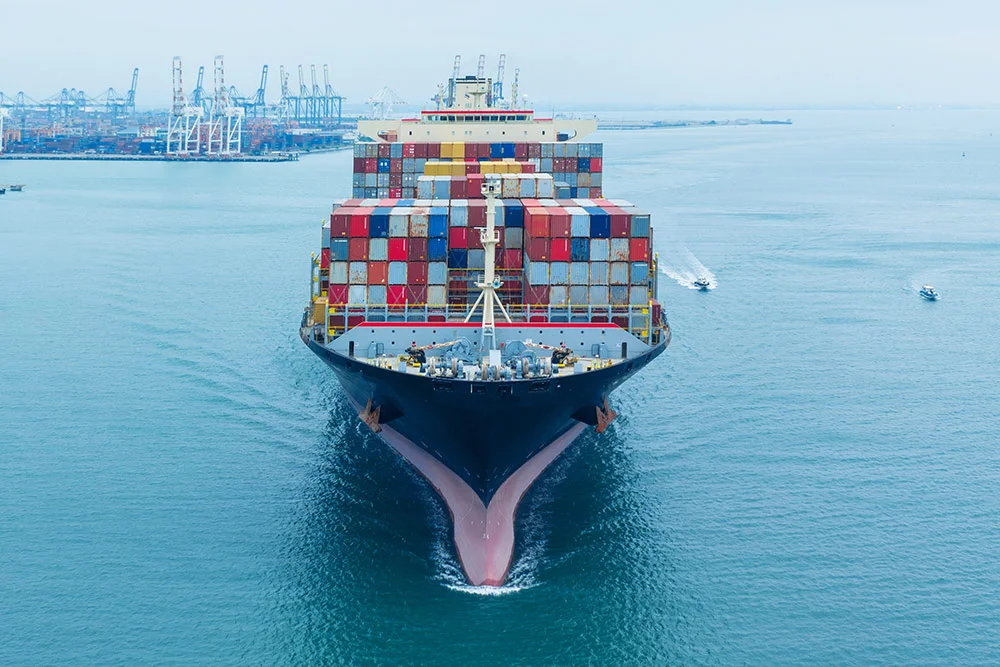
Multi‑carrier shipping, also known as carrier diversification, allows businesses to work with multiple providers simultaneously. One carrier may handle domestic deliveries, another international routes, and a third express shipments. This flexibility ensures that each package is matched with the carrier best suited for its journey.
The benefits are clear: resilience against disruptions, greater shipping capacity, and the ability to tailor shipments for cost, speed, or sustainability. For growing e‑commerce brands, multi‑carrier shipping also provides customers with more options at checkout, improving satisfaction and loyalty.
At Magabby Logistics, we embody this approach by offering multiple shipping solutions, sea cargo for bulk shipments, air cargo for faster timelines, and express delivery for urgent needs. This ensures that whether you’re shipping from Lagos, Abuja, Port Harcourt, Benin, Ibadan, or Onitsha, your packages are handled with care and efficiency.
Choosing the Right Approach
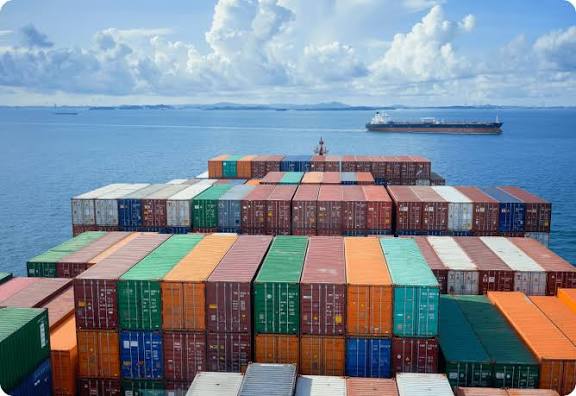
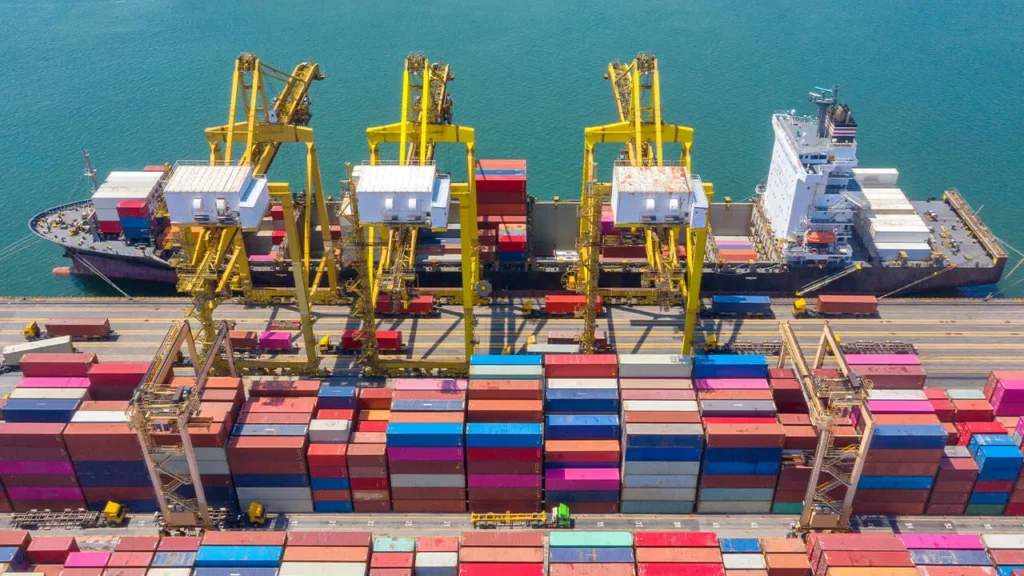
The choice between single‑carrier and multi‑carrier shipping depends on your business model, market reach, and risk tolerance. Domestic sellers with high volumes may benefit from single‑carrier simplicity, while international businesses require the resilience of multi‑carrier strategies. Many companies adopt a hybrid model, using one primary carrier for most shipments while supplementing with others for specific needs.
For example, during peak seasons or unexpected disruptions, having multiple carriers ensures continuity. This agility is essential for businesses shipping across continents, where customer expectations for speed and reliability are higher than ever.
Why Multi‑Carrier Shipping is the Future
Globalization and the rise of e‑commerce demand flexible, resilient logistics solutions. Customers expect faster last‑mile delivery, more choices, and reliable service regardless of location. Multi‑carrier shipping meets these expectations by enabling businesses to reach new markets, avoid bottlenecks, and remain competitive on speed and price.
Platforms like Magabby Logistics simplify this complexity by managing carrier relationships, offering real‑time tracking, and providing transparent pricing. Our mission is to bridge continents through reliable, tech‑enabled shipping services, ensuring peace of mind for individuals, businesses, and diaspora communities.
Conclusion
The debate between single‑carrier and multi‑carrier shipping is not just theoretical, it directly impacts growth, customer satisfaction, and resilience. At Magabby Logistics, we believe in empowering businesses with flexible solutions that combine the negotiating power of volume with the resilience of diversification.
For more insights, explore our related articles on Sea Cargo Solutions and Air Cargo Strategies to see how we tailor shipping methods for seamless global delivery.